
 Home
Home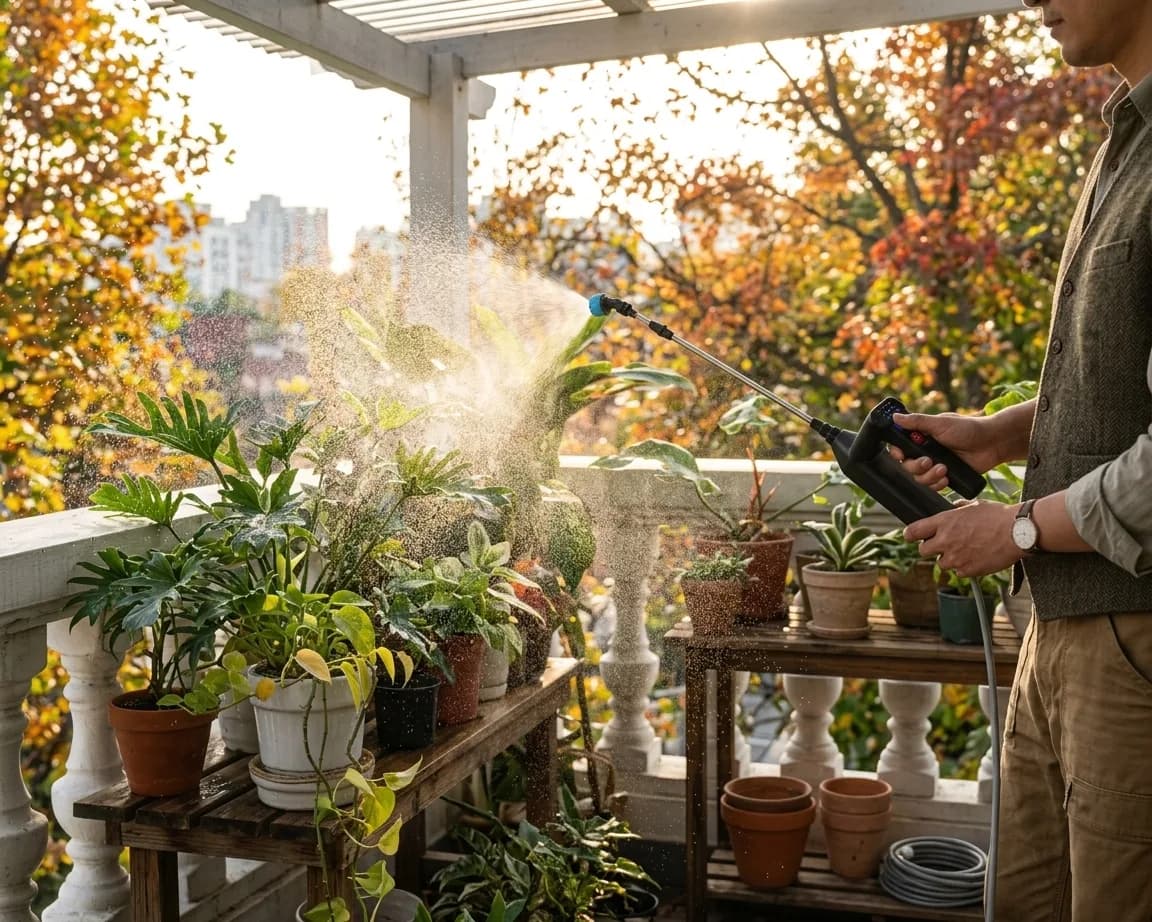
Get ready for the autumn season
21.09.2026 · 4 minAutumn doesn't arrive all at once. Throughout September, temperatures begin to ease, daylight hours gradually shorten and plants start to change their growth rhythm. It's a good time to observe before acting: check the condition of the soil, adjust watering and remove whatever the summer has left damaged. Getting ready for autumn doesn't mean doing a big overhaul in a single day. It means anticipating the changes and creating stable conditions so that plants enter the new season without unnecessary stress.
1. Preparing the soil: from summer to a new cycle
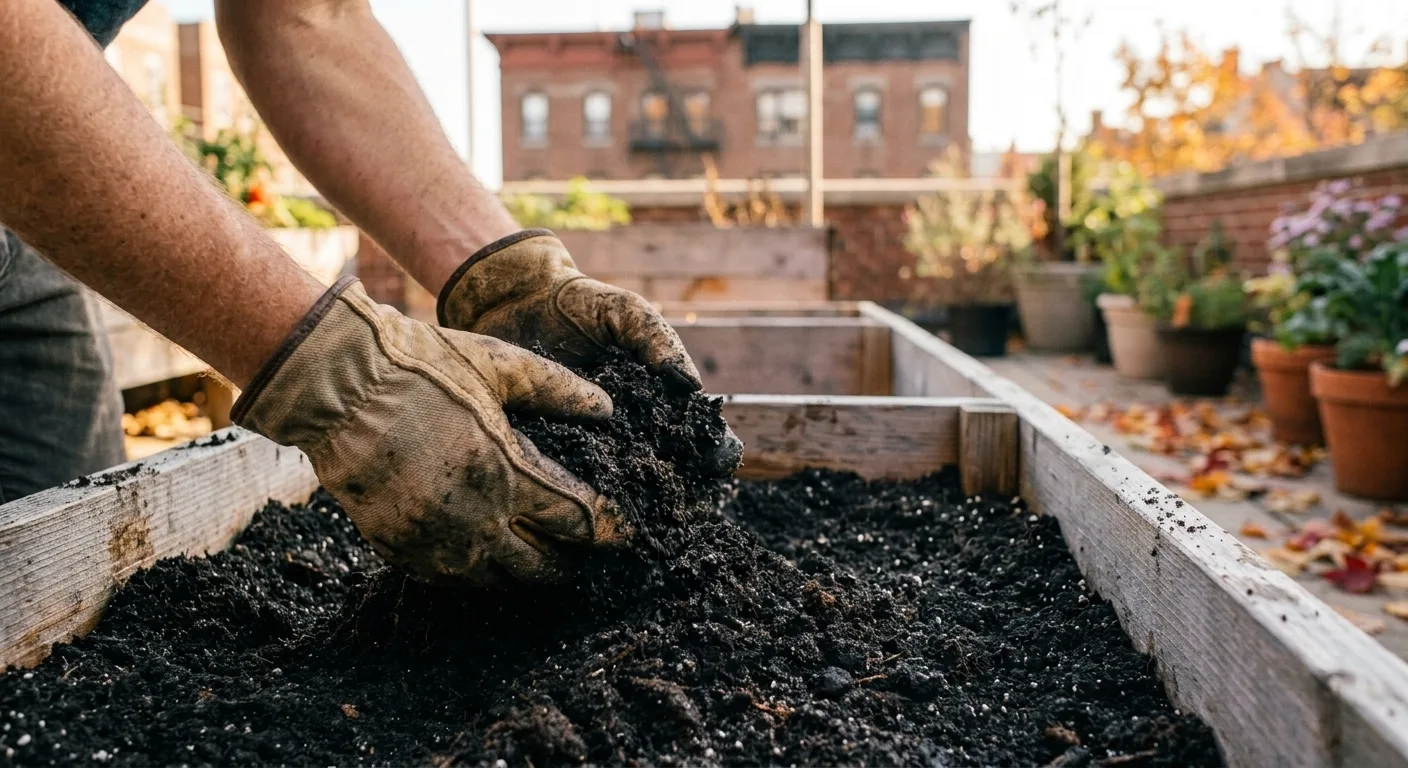
In the urban vegetable garden, September is a good moment to check the substrate. After months of frequent watering and high temperatures, the soil may have lost part of its structure, become compacted or show an uneven distribution of moisture. Before planting or sowing new crops, it's worth checking that water soaks in properly and that the roots have a well-aerated growing medium. A good substrate doesn't just supply nutrients: it also affects water retention, drainage and aeration in the root zone. That's why, when preparing a new planting, it pays to prioritise a balanced structure rather than adding water or fertiliser without first checking the state of the soil. At this time of year: Meliflor Urban Vegetable Garden Substrate 50 L can be used as a base to renew or prepare the growing space, especially when we want to start a new cycle with a uniform growing medium.
2. Adapting watering and humidity to the change of season
One of the most common mistakes when autumn arrives is automatically keeping the same summer watering routines. With milder temperatures and fewer hours of sunshine, evaporation changes and some plants need less water. The key is to observe the substrate and water according to the plants' real needs, not according to the calendar. It's also important to use September to check leaves and stems. Careful cleaning helps you spot small marks, dust, plant debris or signs of stress early on. When spraying, do it in a controlled way, taking ventilation and environmental conditions into account and avoiding keeping the foliage constantly wet. 💡 A practical aid: the Meliflor Electric Sprayer 50–100 cm makes even application easier when we need to treat or moisten specific areas, and its adjustable reach lets you work more comfortably on plants of different sizes.
3. Bonsai also change pace
The gradual drop in temperatures marks a new stage for bonsai. For outdoor specimens, September is a good time to look at the growth achieved over the summer and check that the substrate is still draining properly. The aim is not to intervene by default, but to make sure the roots still have water and air available. Substrate structure is especially important in a small pot: material that is too compact can hinder drainage and oxygenation, while the right particle size helps maintain air spaces between the particles. Volcanic rock is one of the materials used in bonsai mixes precisely because of its mineral structure and its ability to promote a free-draining medium.
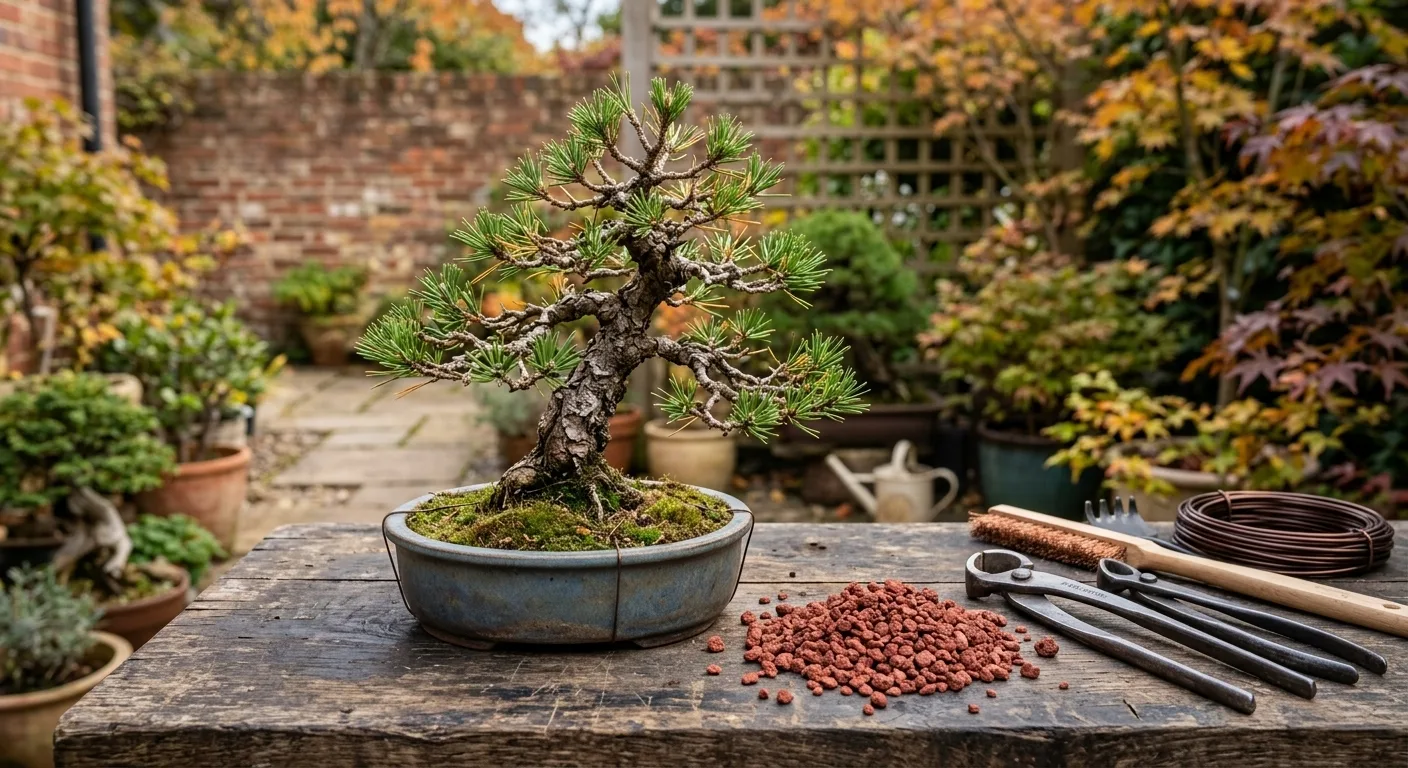
🌱 To prepare future mixes: Meliflor Volcanic Rock Bonsai Substrate 3–6 mm (Screened Red Pozzolana) 20 L can be used as a mineral component when you want to improve the structure and drainage of a bonsai substrate.
Quick tips for this September
💭Check before watering: test the moisture of the substrate and adjust frequency to the milder temperatures. 💭Prepare the vegetable garden: remove the remains of spent crops and leave the space ready for the next sowings and plantings. 💭Watch the leaves: marks, damaged leaves or changes in colour may indicate that growing conditions need checking. 💭Cut back gradually: don't automatically keep up the summer watering intensity once evaporation starts to drop. 💭Mind the drainage: make sure pots and containers drain excess water well before wetter periods arrive. 🪴With bonsai, observe first... September is a good time to check the condition of the tree and the substrate before carrying out any major work.