
 Home
Home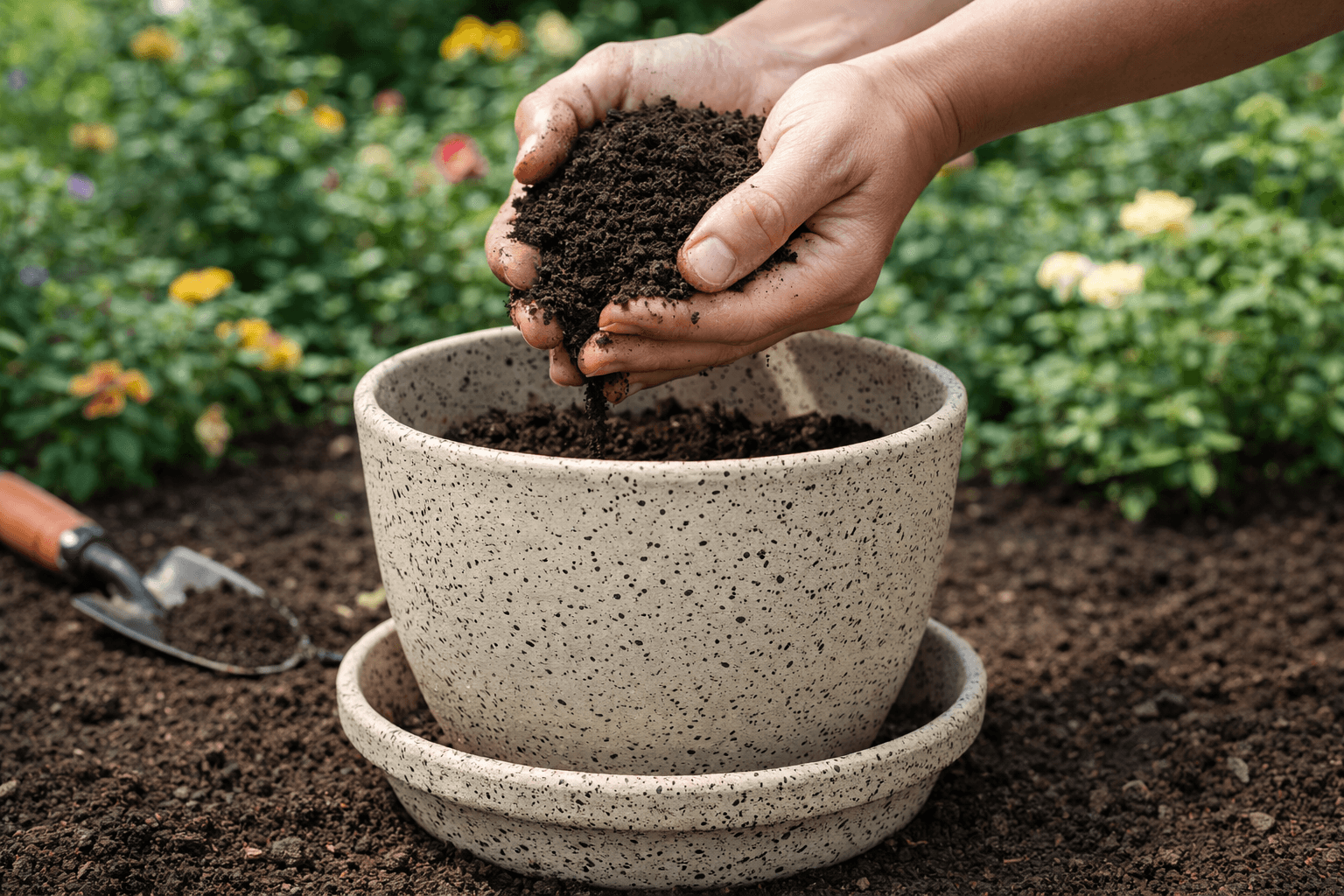
What to Do in Your Garden in February: Prepare Your Plants for Spring
16.02.2026 · 4 minWhat to Do in Your Garden in February: Prepare Your Plants for Spring
February is a key month for those wondering what to do in the garden in February. Although winter hasn’t completely passed, this is the ideal time to prepare your garden for spring with tasks such as winter pruning, early sowing, transplanting, and renewing the substrate.
The days are getting longer, the light is becoming stronger, and plants are gradually starting to become active. All the work you do now will directly influence the growth, flowering, and health of your garden in the coming months.
In this guide, we’ll tell you what tasks to carry out in the garden in February, how to get ahead of the season, and how to care for your plants so they reach spring strong and healthy.
Pruning in February: Organize the Garden Before Growth
Pruning in February is one of the most important tasks at the end of winter. Many plants are still in their vegetative dormancy, which allows you to prune without causing excessive stress.
Before pruning, it’s advisable to carry out small maintenance tasks:
- Remove dry leaves and plant debris.
- Check the drainage of pots and planters.
- Lightly aerate the surface of the substrate.
- Inspect tools and irrigation systems.
These actions help prevent pests and diseases and improve soil structure, something essential before temperatures start to rise.

What Plants to Prune in February
During this month, it is recommended to:
- Remove dry or damaged branches.
- Thin out overly dense shrubs.
- Shape roses and ornamental plants.
Proper pruning improves ventilation, allows better light penetration, and prepares plants for future flowering. The key is to prune moderately, helping the plant grow in a balanced way in spring.
After pruning, it’s important to maintain proper hydration without wetting the cuts. The Meliflor extendable watering lance allows you to apply water directly at the base of the plant, even in elevated pots or dense areas, ensuring efficient and precise watering.
Early Sowing in February: Get Ahead of the Season
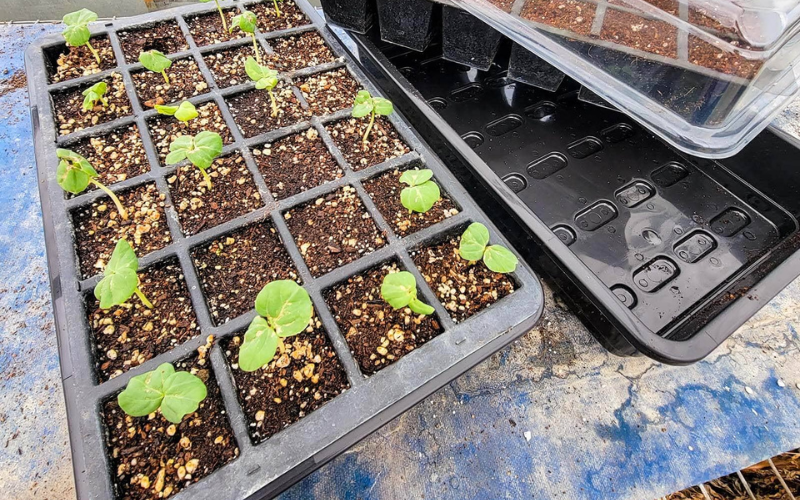
This month is ideal for starting early sowing, especially in protected seed trays or indoor growing environments.
Some vegetables recommended for sowing now include:
- Lettuce
- Spinach
- Radishes
- Onions
- Tomatoes
- Peppers
This way, you’ll gain time and have stronger plants when spring arrives. To achieve this, it’s essential to use a light, well-aerated seed-starting substrate that supports germination and early root development.
There’s no need to wait until the risk of frost disappears. A controlled indoor environment is enough to begin growing.
The Meliflor Garden Kitchen Kit is a practical solution for managing your seeds indoors. It allows you to grow herbs and aromatic plants in the kitchen or living room, protected from the cold, and monitor their growth before transplanting them into your vegetable patch or permanent garden.
Transplanting and Substrate Renewal in February
Another essential task when considering what to do in the garden in February is checking pots and planters. After winter, many plants show signs that they need a transplant or a substrate renewal.
Some clear signs include:
- Slow growth
- Compacted or hardened substrate
- Roots visible through drainage holes
In these cases, partially or completely renewing the substrate improves aeration, provides fresh nutrients, and promotes better drainage. Preparing the roots now is key to vigorous growth in spring.
Practical Tips for February
- 💭 Soil aeration: Loosen the soil before adding new nutrients to break up the surface crust created by the cold.
- 💭 Moisture control: Water only when you notice the soil starting to dry; in winter, overwatering is the main enemy.
- 💭 Protect pruning cuts: When pruning, always make angled cuts so rainwater can run off and not collect on the branch wound.
- 💭 Light for seedlings: If starting seeds indoors, make sure they receive at least 6 hours of indirect light near a window.